January 21, 2026
Meet the Three New Dog Breeds Recognized by AKC in 2026
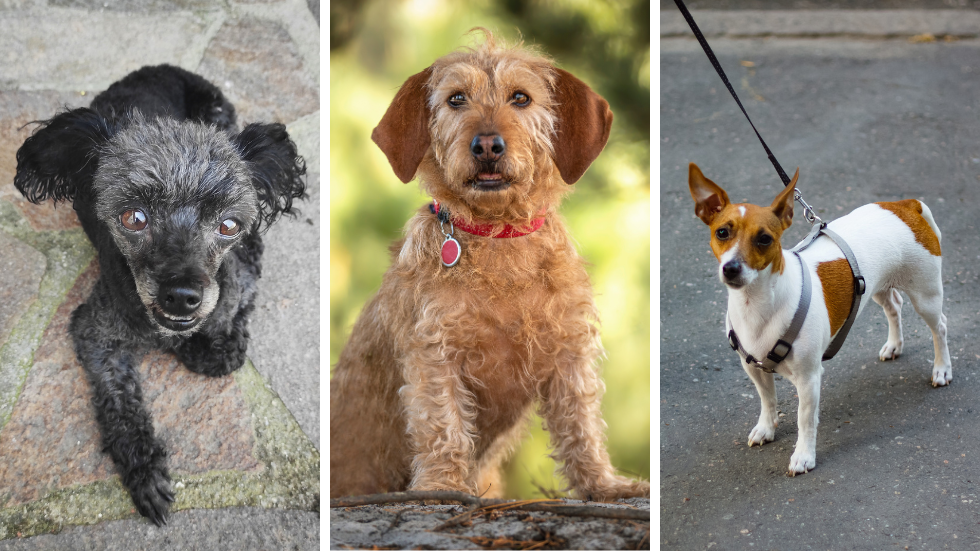
In January 2026, the American Kennel Club (AKC) announced that three new dog breeds are joining their ranks this year. These unique dogs include a curly-coated toy breed, a presidential terrier, and a regal hound. Here are some fascinating facts about these three newly recognized breeds!
Russian Tsvetnaya Bolonka
The Russian Tsvetnaya Bolonka (pronounced S-vet-naya Bol-on-ka and called Bolonka for short) was developed starting in 1951 in St. Petersburg (then Leningrad). Small breeds were uncommon at the time, and a group of dog lovers sought to breed small, dark-colored, curly-coated pups that would provide companionship. They also sought to develop a dog breed that was well-suited to both city living and life on a farm, with a thick coat ideal for cold Russian winters.

The Bolonki first arrived in the U.S. in 2000. Their genetic makeup includes contributions from Maltese, Bolognese and Shih Tzu breeds.
Weighing in at an average of 6-9 pounds, this tiny pup with a big name is playful and adaptable companion. They are cuddly, social lap dogs that are great for families with children. They are quick learners who can excel at obedience training, and they are not big barkers, making them ideal choice for city dwellers.
To learn more about the Russian Tsvetnaya Bolonka, visit the websites of the American Kennel Club or the Russian Tsvetnaya Bolonka Club of America.
Basset Fauve de Bretagne
There’s a new Basset hound in town! The Basset Fauve de Bretagne has joined the AKC in 2026 alongside their three relatives – the Basset Hound, the Grand Basset Griffon Vendéen (GBGV), and the Petit Basset Griffon Vendéen (PBGV). Like these breeds, the Basset Fauve de Bretagne hails from France, with roots that date back to the 1500s.

Also known as the Fawn Colored Brittany Basset, the Fauve has the trademark short stature of the Basset Hound. A keen hunter, the Fauve is fast, determined and energetic. They can be a great fit for active families and thrive with plenty of mental and physical stimulation. Originally bred to hunt rabbits, a fence is definitely recommended for these pups!
To learn more about the Basset Fauve de Bretagne, visit the websites of the American Kennel Club or the Basset Fauve de Bretagne Club of America.
Teddy Roosevelt Terrier
The Teddy Roosevelt Terrier gets it name from – you guessed it – the 26th President of the United States, Theodore Roosevelt. Teddy himself didn’t develop the breed; rather, his commitment to wildlife conversation and love of dogs inspired the breed’s creators to name the all-American breed after him.
Originally know as the Type B Rat Terrier, the Teddy Roosevelt Terrier developed from breeding shorter-legged Rat Terriers. Teddies are 8-25 pounds and stand 8-14 inches (compared to 10-18 inches for Rat Terriers). Their coats are short and smooth, making grooming needs minimal.

Teddy Roosevelt Terrier are active, tenacious and extremely energetic. As the name suggests, they are excellent hunters of rats, squirrels and other small vermin. They are affectionate and get along well with children when socialized early, but can be somewhat of a “one-person dog”. Teddies’ enthusiasm and intelligence makes them excellent candidates for dog sports like agility and obedience training.
To learn more about the Teddy Roosevelt Terrier, visit the websites of the American Kennel Club or the American Teddy Roosevelt Terrier Club.


